Iceland in Winter: Why It Is the Most Magical Destination You Could Choose
Iceland in Winter: A Parallel World
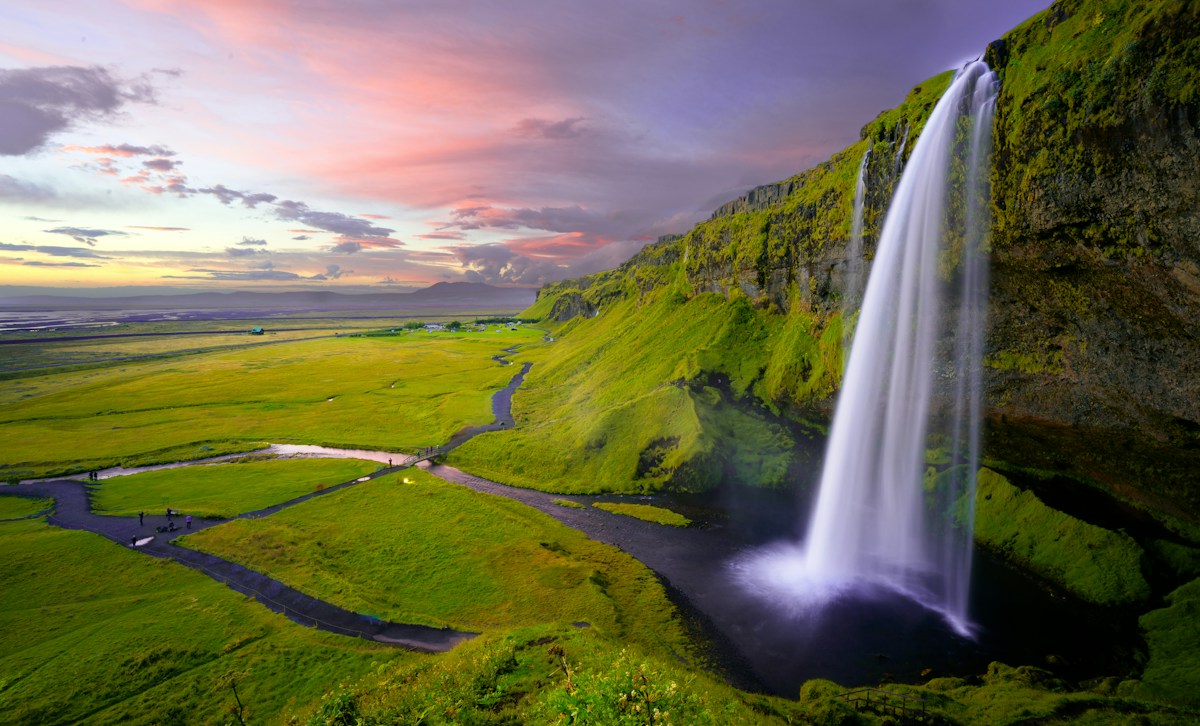
Most tourists visit Iceland in summer, attracted by the midnight sun and climatic comfort. But those who choose winter discover something radically different and, in many ways, more powerful: a surreal landscape where the steam from geysers freezes in the air, waterfalls turn into ice sculptures, ice caves shine with turquoise and blue, and the night sky lights up with green. Icelandic winter is not a diminished version of the summer season — it is a completely different experience.
When to Go: November vs. January vs. March
November: transition, prices still reasonable, good dark/light ratio, waterfalls not yet frozen but fresh snow often present. Ice caves accessible from November.
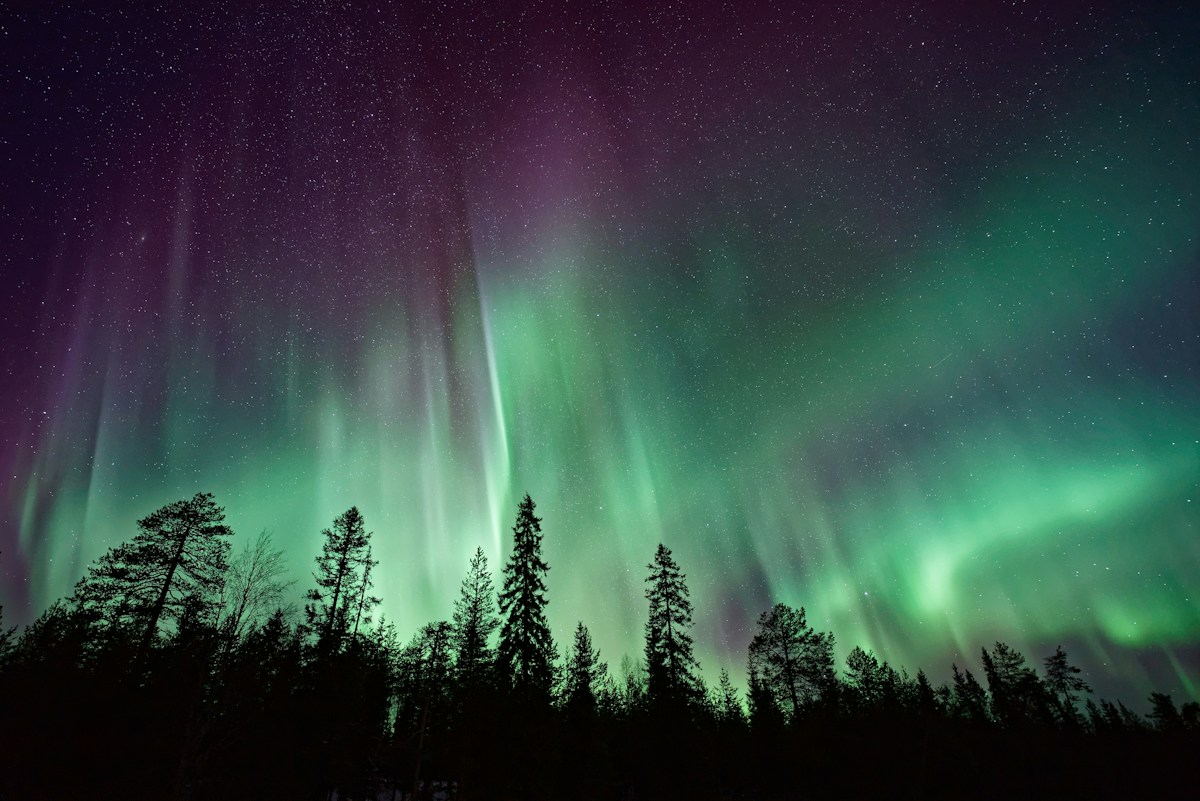
December–January: maximum darkness (4-5 hours of light), perfect for the aurora, but harsher temperatures (-5/-10°C in Reykjavik, colder inland) and risk of closed roads. The Christmas period is magical but expensive.
February–March: the golden moment. Ice caves are still accessible, the light begins to return (8-12 hours), auroras continue, prices start to rise but haven't reached summer peaks yet.
The Ring Road in Winter: Can It Be Done?
Route 1 (the Ring Road) that circumnavigates the island is drivable in winter but requires caution, an appropriate vehicle, and flexibility. Essential rules:
- Always rent a 4WD SUV with studded winter tires — reliable companies fit them as standard from November to April
- Always check Road.is before setting off: the Icelandic government site updates road conditions and closures in real-time
- The South and West coasts are generally more accessible in winter; the Westfjords and the Snæfellsnes Peninsula can have dangerous roads
- Never drive at night on unfamiliar roads: visibility is zero and sudden detours for aurora hunting can lead you off-road onto icy surfaces
Must-Do Winter Experiences
Ice Caves in Vatnajökull
Only accessible from November to April (when the ice is stable enough), the ice caves in the Vatnajökull glacier are among the most visually stunning experiences on the planet. The light filters through layers of compressed ice, creating shades of blue and turquoise that are impossible to describe. Tours depart from Jökulsárlón or Höfn. Book months in advance — spots sell out quickly.
The Golden Circle in the Snow
Þingvellir, Geysir, and Gullfoss are even more spectacular in winter. The steam from the Geysir erupting 20 meters high crystallizes in the freezing air. The Gullfoss waterfalls surrounded by snow and ice become a white natural cathedral. The snow-covered tectonic rift at Þingvellir offers an absolute solitude that summer never knows.
Reykjavik: Cozy and Festive
The Icelandic capital is very lively in winter. The culture of Nordic hygge — often associated with Denmark but present throughout Scandinavia — manifests itself in steaming cafes, pubs with craft beers, and geothermal baths open all year round (Laugardalslaug is frequented by locals and is much more authentic than the Blue Lagoon). The dining scene is surprisingly cosmopolitan.
Approximate Budget for 7 Days in Iceland in Winter
- Round-trip flight from Europe: 250–500€ (Play and Icelandair fly to Keflavik)
- SUV Rental (7 days): 600–900€ including full insurance
- Fuel: 150–200€
- Accommodation (7 nights, guesthouse/AirBnB): 700–1,200€
- Food (cooking some meals, eating out once a day): 400–600€
- Ice cave tour: 80–120€ per person
- Estimated total: 2,200–3,500€ per person
Iceland is not cheap, but the value for money in terms of unique experiences is hard to match. Cooking at your accommodation instead of always eating out can save you 200-300€.
Advice from someone who has been there 5 times: book accommodation with a view of an open valley or directly in the countryside. When the aurora arrives in the middle of the night, you want to be able to see it from your patio in your pajamas, not drive 40 minutes out of the city.