Whale Safari in Norway: Orcas and Humpback Whales in the Arctic Fjords
When the Orcas Arrive in the Fjords
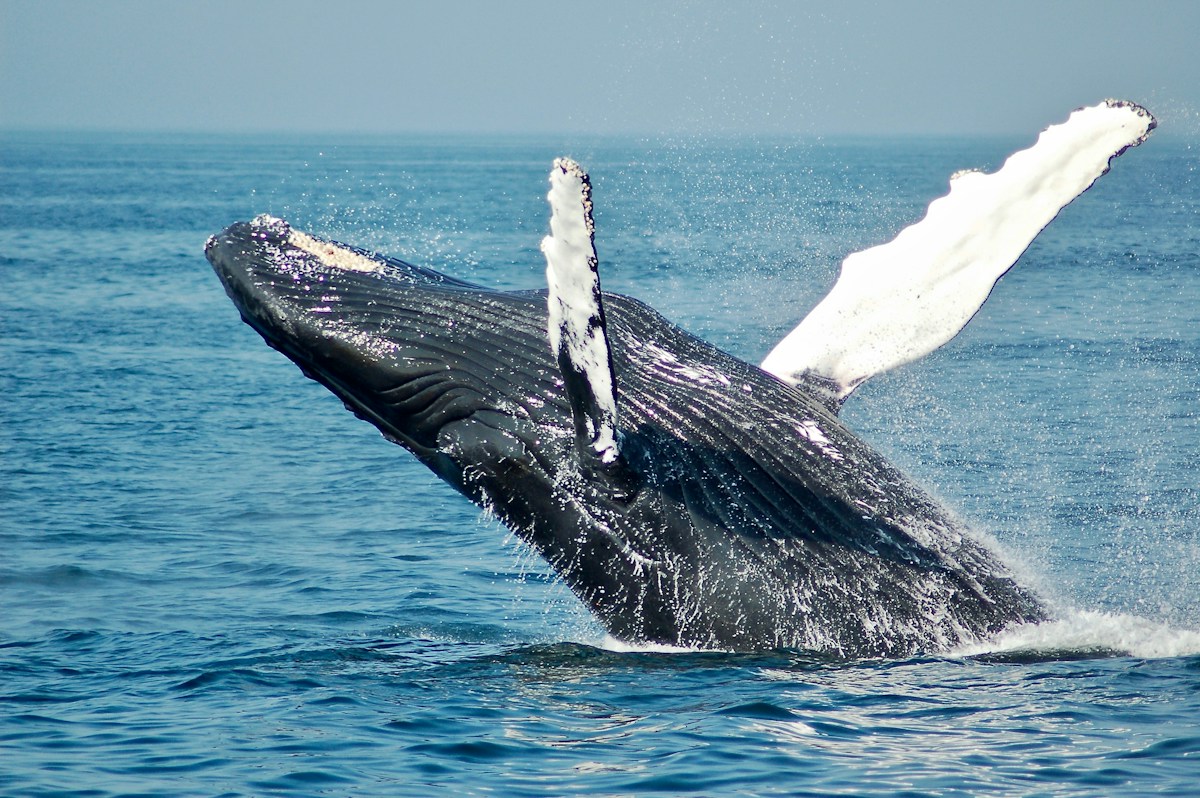
Every autumn and winter, one of the most spectacular natural scenes on the planet repeats itself in the fjords of northern Norway. Millions of herring migrate to the temperate waters of the north, followed by hundreds of orcas (Orcinus orca) and humpback whales (Megaptera novaeangliae) that exploit this food abundance to accumulate fat reserves for the winter. The epicenter of this phenomenon is the Kvænangen fjord and the Skjervøy area, about 2 hours north of Tromsø.
When to Go: The Optimal Window
The orcas follow the herring, and the herring follow the water temperatures. The most reliable window is November–February, with December and January being the statistically best months. But it is important to understand that these are wild animals: the orcas can be in the same fjord for weeks and then suddenly move 100km away. Plan at least 3-4 days in the area to maximize your chances.
Organized Tours vs. Independent
The main options for whale watching:
Boat Tours from the Coast
Most tours depart from Tromsø or Skjervøy and last 6-8 hours. The guides are experts and follow in real-time the reports of other operators at sea. Cost: 100-180€ per person. The most reliable companies are Arctic Whale Tours and Brim Explorer (with silent catamarans that do not disturb the orcas).
Snorkeling and Freediving with Orcas
For the bravest, some operators offer the possibility of entering the water (at -2°C, with 7mm wetsuits) when the orcas are nearby. The water is crystal clear and visibility can reach 20 meters. An experience that few can forget. Cost: 200-400€. Essential to have swimming experience.
Arctic Kayaking
The silence of the kayak allows for much closer approaches than motorboats. Kayak tours are available from November, with nights in coastal cabins along the fjord. Physically more demanding but incredibly rewarding.
What to Expect in the Field
The orcas in the Kvænangen fjord use the carousel feeding technique: they collaborate to herd the herring into a compact ball (baitball) using air blows and coordinated movements, then they strike with their tails to stun them before eating them. This behavior is visible from the boat in a spectacular way — the herring jump out of the water, the seagulls dive from above, the orcas emerge from all sides. Humpback whales often approach with their characteristic bubble net feeding technique.
Practical Tips for the Tour
- Bring non-slip shoes and waterproof clothes — the deck of an Arctic boat is wet and slippery
- Anti-nausea patches (Travacalm or similar) are recommended: the North Sea in winter can be rough
- For photography: a telephoto lens of at least 200mm for distant moments, a wide-angle for when they get close to the boat
- Bring a change of dry clothes in a waterproof bag — if you get wet and still have a 4-hour tour ahead, you will be thankful