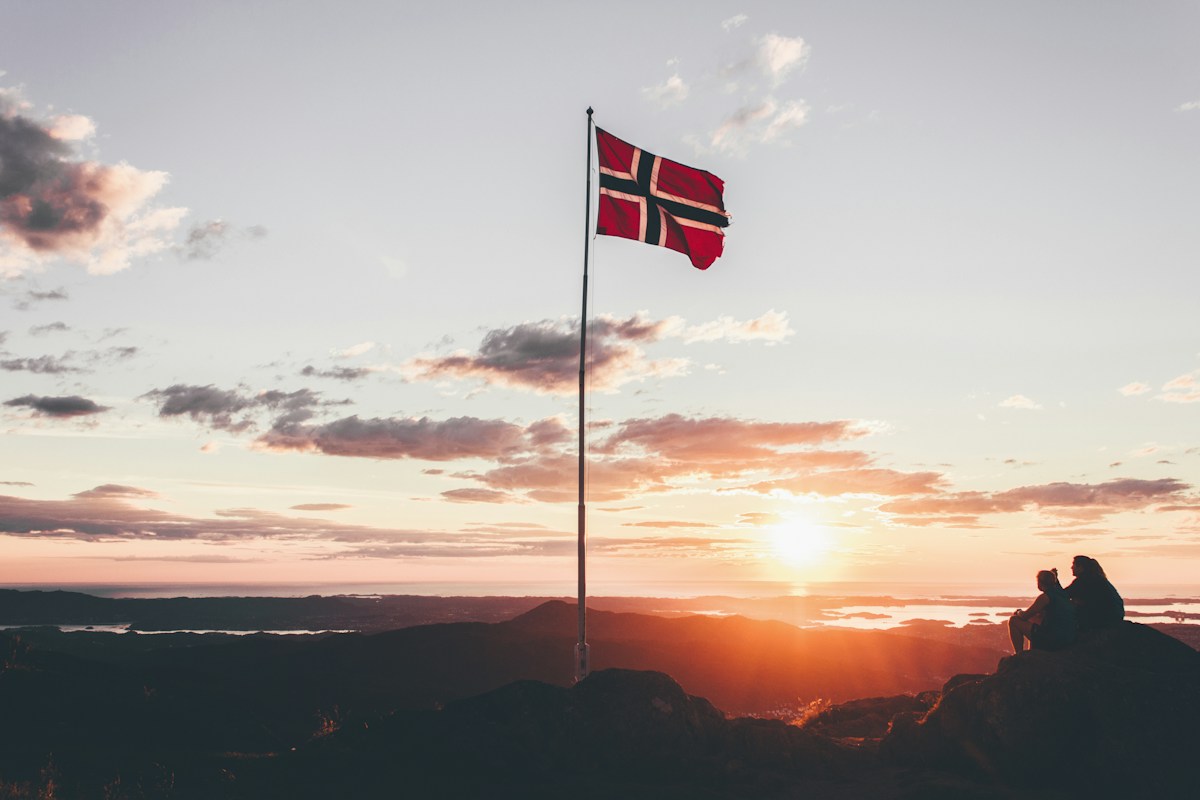
Fairbanks: Seeing the northern lights without a tour: when it makes sense and when it does not
Why this trip deserves proper planning
Searching for Fairbanks: seeing the northern lights without a tour: when it makes sense and when it does not usually means you are already beyond the vague dream of “going North”. Now the useful questions begin: how long to stay, how far to move, what deserves advance booking and which expectations should be left at home. Fairbanks sits in Alaska, United States, and its value is not limited to the images that dominate social media. It comes from the way light, weather, landscape and local life interact. Good planning does not remove spontaneity; it removes the predictable complications that feel much larger once you are tired, cold or dealing with limited daylight.
This guide focuses on seeing the northern lights without a tour: when it makes sense and when it does not. It deserves a slower explanation because successful northern trips rarely depend on one secret viewpoint. They depend far more on pace, the choice of base, the ability to read conditions and enough empty space for a day to change shape. The first aurora mistake is turning probability into an appointment. A strong geomagnetic forecast is useless beneath cloud, while modest activity can still produce a beautiful display from the right place under a clear sky. That is why multiple nights, flexibility and sky quality matter more than loading every expectation onto one outing. In Fairbanks, this theme must therefore become a concrete decision about timing and base: seeing the northern lights without a tour: when it makes sense and when it does not cannot be treated as a detail added at the last minute.
Understand the destination before filling the calendar
Fairbanks works better when treated as a system of places rather than a sequence of photographs. It is a northern destination whose real character becomes clearer when pace, distance and weather are treated as part of the experience rather than obstacles; useful references include Chena River, Creamer’s Field, Museum of the North, Chena Hot Springs. the northern lights are part of the destination’s identity, but they remain a natural phenomenon to wait for rather than a performance that can be booked; winter delivers snow and atmosphere but demands serious thought about cold, daylight and recovery time; dog-sled experiences can be memorable when you choose a responsible operator and a duration that matches your comfort level; services, restaurants and indoor alternatives make it easier to change plans when northern weather decides differently. Choose a base that simplifies what you intend to do most often and treat the rest as excursions. This reduces backtracking, improves weather flexibility and leaves room to stay longer when a place deserves more than the forty minutes allocated on paper.
Season deserves more thought than “cold” or “snow”. In the Fairbanks area, Aurora Season is generally defined as August 21 to April 21; within that window, clear skies, darkness and geomagnetic activity still matter. Daylight hours, road behaviour, dressing time and available activities all change as well. Autumn can bring colour and milder temperatures but less predictable snow; deep winter delivers the classic Arctic image alongside harder darkness and cold; later winter and early spring add daylight while often retaining snow and useful dark nights. The best month is therefore the one that matches the experience you want rather than a universal ranking. In Fairbanks, the best season for seeing the northern lights without a tour: when it makes sense and when it does not is the one that makes the whole day sustainable, not only the hour in which you hope for the most spectacular moment.
The practical point that changes the trip
Seeing the aurora without a tour makes sense when you have a well-positioned base, can read cloud forecasts, have safe access to darkness and do not need to drive in conditions beyond your experience. In Fairbanks, independence lets you step out for twenty minutes and try again later. A tour becomes valuable when transport, local knowledge, clothing, shelter or winter driving would otherwise become your responsibility. The choice is practical, not ideological.
For aurora, build a strategy rather than a single evening. First choose multiple nights; then monitor cloud and local visibility; finally decide how much mobility you are willing to accept. A lodge can be ideal for waiting in warmth, while a mobile tour can make sense when cloud cover is patchy. DIY viewing works best where dark areas are easy to reach safely. Photography and visual experience are also not identical: cameras can record colour more strongly than the eye perceives it, so realistic expectations matter. In Fairbanks, this logic mainly prevents seeing the northern lights without a tour: when it makes sense and when it does not from becoming an obligation that overwhelms the rest of the trip.
How to build days that actually work
Build a believable day around one main experience and let everything else support it. After a long outdoor activity, lunch and afternoon should be simple; if you hope to go out at night, do not arrive there after eight hours of transfers and cold. A museum, café or quiet break at the accommodation is not wasted time. It often makes the next hours far more enjoyable. The feeling of “not doing enough” usually comes from looking at a list, while lasting memories come from experiencing fewer things well. For seeing the northern lights without a tour: when it makes sense and when it does not specifically in Fairbanks, protect the best energy of the day for what actually makes that goal possible rather than spending it on decorative stops that add photographs but little value.
Activity choices improve once you stop collecting icons. Places such as Chena River, Creamer’s Field, Museum of the North, Chena Hot Springs may represent scenery, culture, nature or orientation, but they do not all need to become stops. Before booking, consider real active time, transfer time, access to warmth, what happens in poor weather and how easy it is to change plans. For wildlife, sea, ice or wilderness activities, operator quality is often visible in how clearly limits and safety are explained, not just in how dramatic the promotional photographs look. Applied to seeing the northern lights without a tour: when it makes sense and when it does not, every booking should justify the time it removes from rest, transfers and your ability to respond to conditions in Fairbanks.
Logistics and safety without removing the magic
Caution does not make the trip less adventurous; it prevents adventure from becoming a predictable problem. Deep cold and winter driving can compound each other. If you lack snow-and-ice experience, reduce night driving and consider transfers or organised tours rather than treating the car as if conditions were normal. One simple rule is especially useful: never chase a photograph. If a viewpoint requires unsafe parking, a beach is exposed, ice is not confirmed safe or a road deteriorates, walking away is competent travel. The same applies to aurora chasing: a clear patch a hundred kilometres away is not automatically a good reason to drive at night, especially when tired or inexperienced in those conditions. If the goal in Fairbanks is seeing the northern lights without a tour: when it makes sense and when it does not, caution is part of the result rather than separate from it: it keeps fatigue and hurry from becoming unnecessary risk before the moment that matters.
When the central theme is seeing the northern lights without a tour: when it makes sense and when it does not, days in Fairbanks cannot be treated as independent units. A late night changes the next morning, a heavy transfer reduces energy for a booked activity and a day without breaks makes cold feel harder. Leave at least one unassigned block that can absorb a cancellation, become rest or turn into a spontaneous outing when conditions improve. That space is not inefficiency; it is what makes the itinerary resilient.
The best way to experience this destination
There is no need to search for a universally perfect destination; the useful question is whether this one matches the priorities of the trip you are building. The final choice should start with your travel style. If you value control, choose a base with services and short transfers. If you want isolation, accept heavier logistics. If aurora is the priority, allocate more nights rather than hunting for a mythical perfect date. With children, reduce compulsory activities further. If photography matters, protect sleep and safety as carefully as camera equipment. The North rewards travellers who prepare thoroughly and still remain willing to change their mind. For a trip to Fairbanks built around seeing the northern lights without a tour: when it makes sense and when it does not, judge each choice by whether it genuinely improves the opportunity to live that experience or merely makes the calendar look fuller.
The most effective way to experience Fairbanks is to give the place room. Pre-book what would genuinely be difficult to improvise, but do not turn every hour into a reservation. Learn which conditions should trigger a plan change, choose accommodation that simplifies your main priority and treat slower days as part of the trip rather than failure. Returning with a few unseen places but a real understanding of the landscape, weather and rhythm of Fairbanks is usually a better outcome than completing a list. With seeing the northern lights without a tour: when it makes sense and when it does not as the thread of the trip, a successful stay in Fairbanks is not the one with no empty space but the one with enough margin for place, weather and people to still surprise you.