Hygge and Friluftsliv: How Northern Europe Solved the Dark Months with Philosophy
How to Survive 5 Months of Darkness and Cold
Nordic countries have long, dark, and cold winters that would be debilitating for most cultures. Yet Finland, Denmark, and Norway consistently occupy the top positions in the World Happiness Report. How do they do it? The answer, at least in part, is cultural: they have developed life philosophies that transform adverse conditions into opportunities for well-being. The two most exported around the world are hygge and friluftsliv.
Hygge (Denmark): The Art of Intimate Coziness
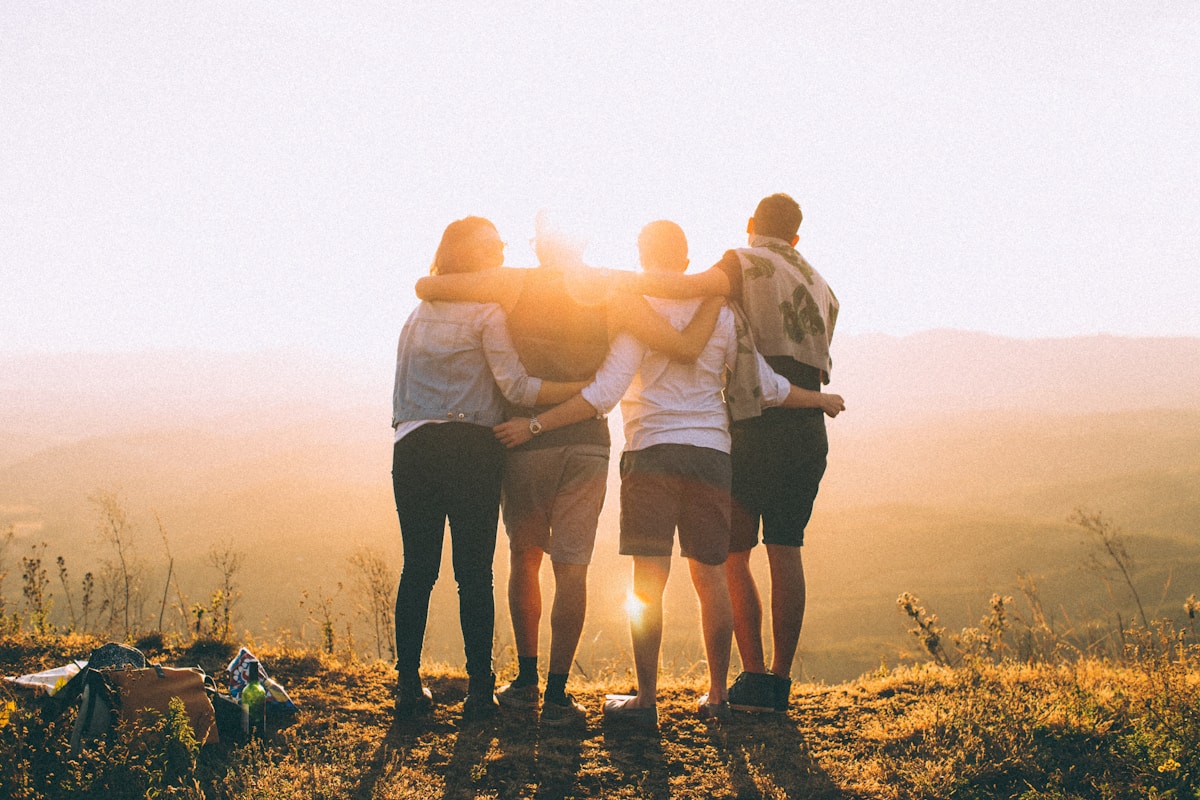
Hygge (pronounced "hoo-gah") is a Danish-Norwegian concept difficult to translate exactly: it is that feeling of well-being, warmth, and conviviality experienced on a winter evening with close friends, lit candles, a soft blanket, warm food, and laughter. It is neither an object nor an activity — it is an atmospheric quality that can be intentionally created.
The essential elements of hygge:
- Candles: Danes are the largest consumers of candles per capita in the world (3.5kg per person per year). Warm light is fundamental
- Warm food and drinks: glögg (mulled wine), hot chocolate, stews, homemade cakes
- Total presence: no smartphones, no work, no conversations about problems. Just the present moment with loved ones
- Equality: there is no showing off, no competing. Hygge is democratic by definition
Friluftsliv (Norway): Outdoor Life as a Necessity
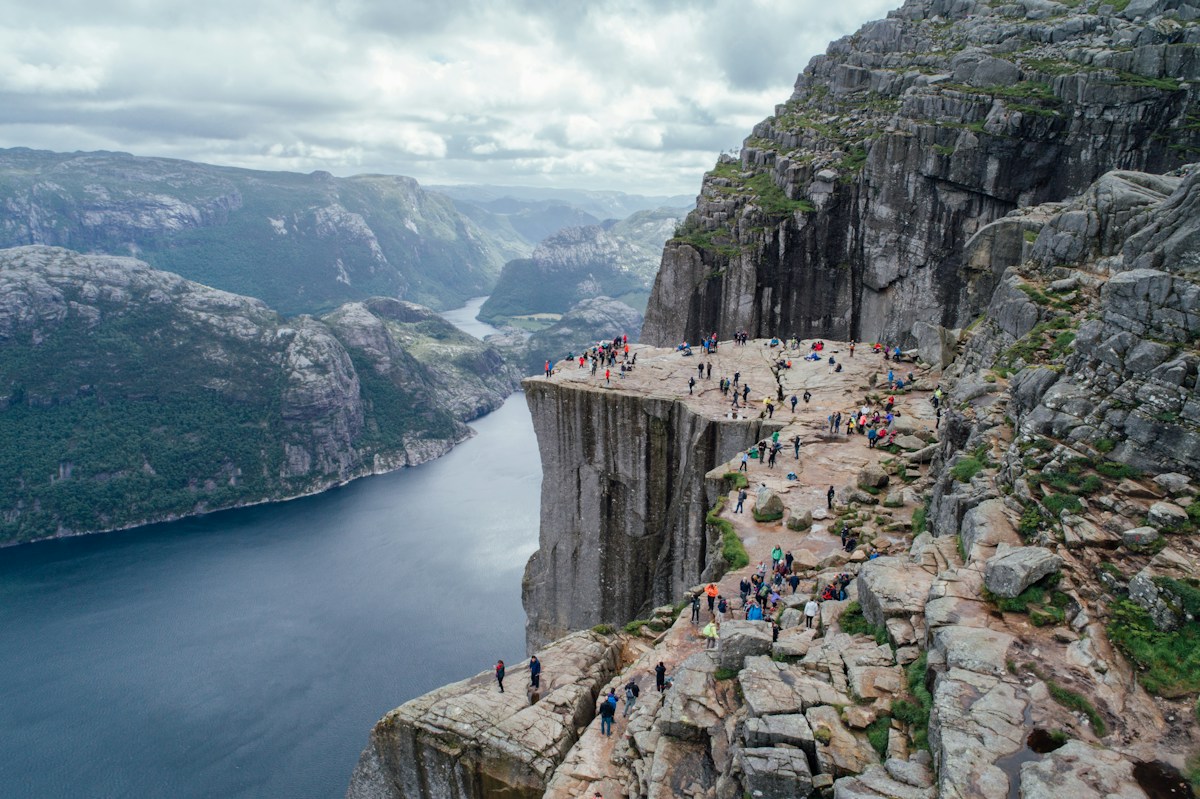
Friluftsliv (lit. "free air life") is the Norwegian concept of the importance of spending regular time in nature — not necessarily in intense sports activities, but simply being present in the natural landscape. Norwegian philosopher Henrik Ibsen coined the term in 1859, but the practice is millennia old.
Norwegian friluftsliv has a foundational legal principle: Allemannsretten (the right of everyone) guarantees every person the right to walk, camp, and enjoy nature on any uncultivated land, even private. No fence can separate a citizen from nature — a unique right in the world.
How to practice friluftsliv in daily life:
- Walk in nature every day, whatever the weather ("There is no bad weather, only bad clothing" — Norwegian proverb)
- Organize picnics in the snow or barbecues in the winter cold — if Norwegians do it, you can too
- Take the kids outside: Nordic pedagogy (utdanning i friluft) mandates hours of outdoor play even in rain and snow
Applying these Concepts to Your Trip
When in Scandinavia, instead of rushing from attraction to attraction, try to incorporate these principles:
- Dedicate an evening to hygge: cook at your accommodation, light candles (every shop sells them), invite your neighbors or other guests
- Go for a walk every morning regardless of the weather — even just 20 minutes in fresh snow recharges your energy
- Turn off your phone for at least half of each day — the impact on your well-being is immediate
Hygge and friluftsliv are not exportable wellness trends. They are profound cultural responses to the environmental conditions of the North. When you practice them in their original context, you understand that you are not importing a fad — you are touching something much older and real.