Digital Minimalism: How to Break Free from Smartphone Addiction in 30 Days
How Much Time Are We Giving to Algorithms?
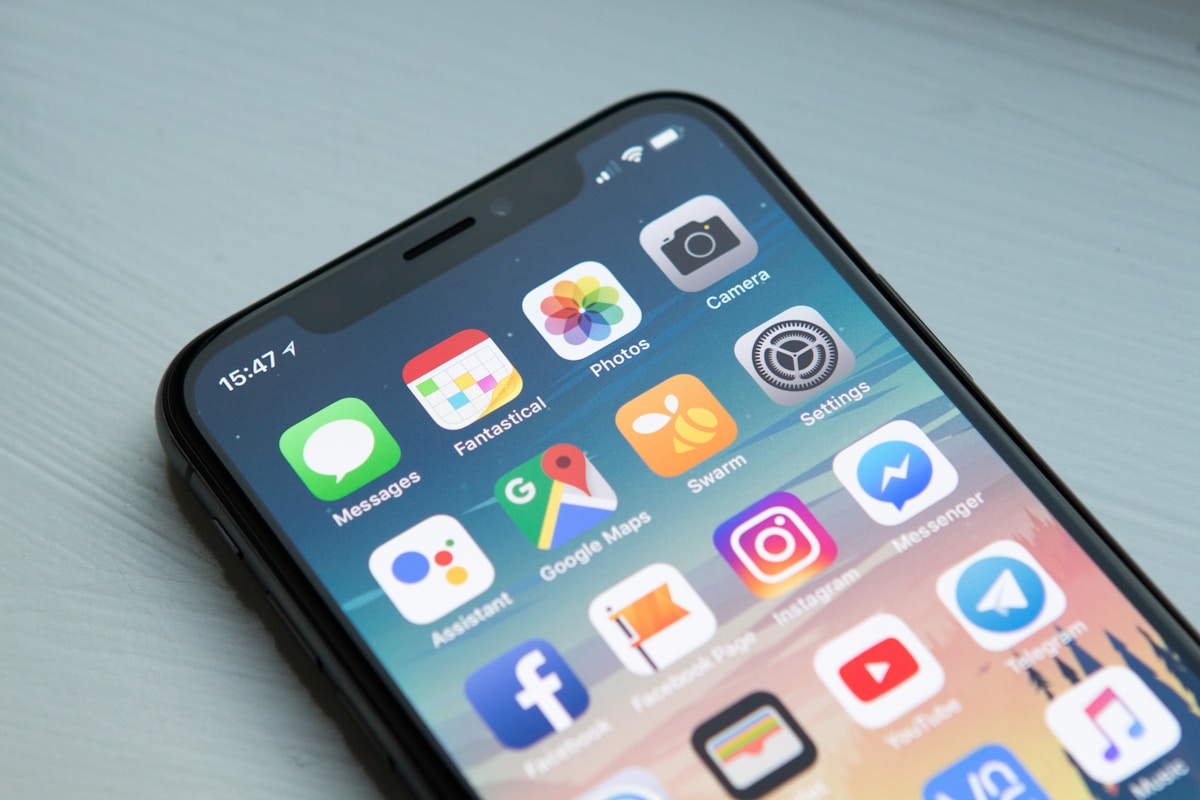
The average phone is unlocked 96 times a day, with an average daily use of 4 hours and 48 minutes (source: Statista, 2024). If you are 30, this means that by the time you are 70, you will have spent over 9 years of your life staring at a 6-inch screen. The question is not whether this is a problem, but what to do to change course.
Digital Minimalism – popularized by Professor Cal Newport in his book of the same name – is not an anti-technology ideology. It is a pragmatic philosophy: use technology only when it adds real value to your life, and eliminate all the rest.
Week 1: Audit and Awareness
Before deleting any app, you need to understand where your time is really going. Turn on Screen Time on iPhone or Digital Wellbeing on Android and honestly note down:
- Which apps you use the most and for how long
- How many times you unlock your phone per hour
- What time you check your phone in the morning (before or after getting out of bed?)
Most people are shocked by the data. Awareness is already, in itself, the first form of change.
Week 2: The Great Purge
This is the hardest week. Follow this protocol:
- Delete all social media from your phone. Not your account – just the app. If you must use them, use them from a desktop with full intentionality.
- Disable all push notifications except calls, direct messages from specific people, and navigation apps.
- Move the phone out of the bedroom. Buy a traditional alarm clock (they cost 10€). A phone in the bedroom disrupts sleep even if you don't look at it.
- Create "phone-free zones": the dining table, the bedroom, the first and last 30 minutes of the day.
Week 3: Building Alternatives
The problem with the "willpower" method is that it doesn't work long-term. You need to replace digital behaviors with concrete and satisfying alternatives:
- Boredom → A physical book always in your backpack
- Endless evening scrolling → A 20-minute walk after dinner
- Compulsive news checking → A curated weekly newsletter (just one)
- WhatsApp every 5 minutes → Two dedicated windows a day to reply to messages
It's not about having more willpower. It's about designing your environment so that the desired behavior is the easiest one.
Week 4: Consolidate and Personalize
In the final week, re-evaluate what worked and what didn't. Digital minimalism is not the same for everyone: a professional photographer has a different relationship with Instagram than a teacher. The goal is not to eliminate technology, but to use it in an intentional and non-reactive way.
Benefits Documented by Scientific Research
A study by the University of Pennsylvania (Hunt et al., 2018) showed that limiting social media use to 30 minutes a day significantly reduces levels of loneliness, anxiety, and depression. MIT research highlighted how the mere presence of a smartphone on the table (even turned off) reduces the cognitive capacity available for the task at hand.
Practical Tools That Help
- Freedom – Blocks sites and apps for scheduled time intervals
- One Sec – Inserts a pause for reflection before opening social media
- Grayscale mode – Turning your screen black and white drastically reduces the appeal of colorful apps
- Forest – Gamifies phone-free time with a virtual tree that grows